
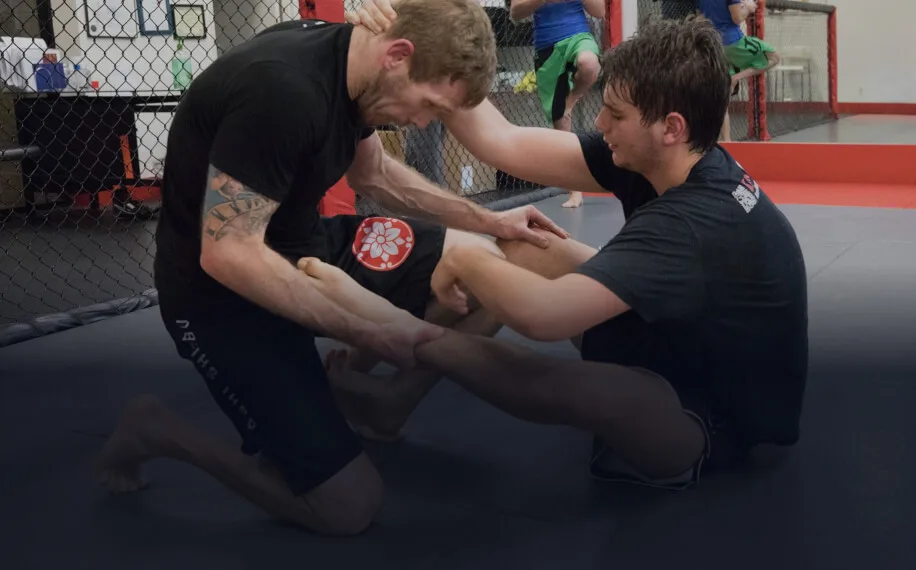
Former Head of Krav Maga & Counter-Terror Training, IDF LOTAR · 28 years in martial arts · US Representative, Wingate Krav Maga
I have taught Krav Maga to soldiers, to executives, to retirees, to nine-year-olds, and to people who showed up with their hands shaking. After fourteen years running KravZone in Sunnyvale and twenty-eight years on the mat, I can tell you that almost everyone walks in with the same set of worries — and almost all of them are wrong.
Here are seven things I wish every beginner knew before their first class. Read this, then come in. The hardest part is getting through the door.
1. You don’t need to be in shape to start. The training is what gets you in shape.
You do not need to lose ten pounds first. You do not need to “get your cardio up” first. The class is the workout.
Almost every adult who walks into KravZone for the first time tells me the same thing: “I want to get in better shape before I really start.” This is backwards. The workout you’ll get in your first class is exactly the workout that gets you into shape. Your conditioning improves because you train. Not because you do six weeks of treadmill work first to “prepare.”
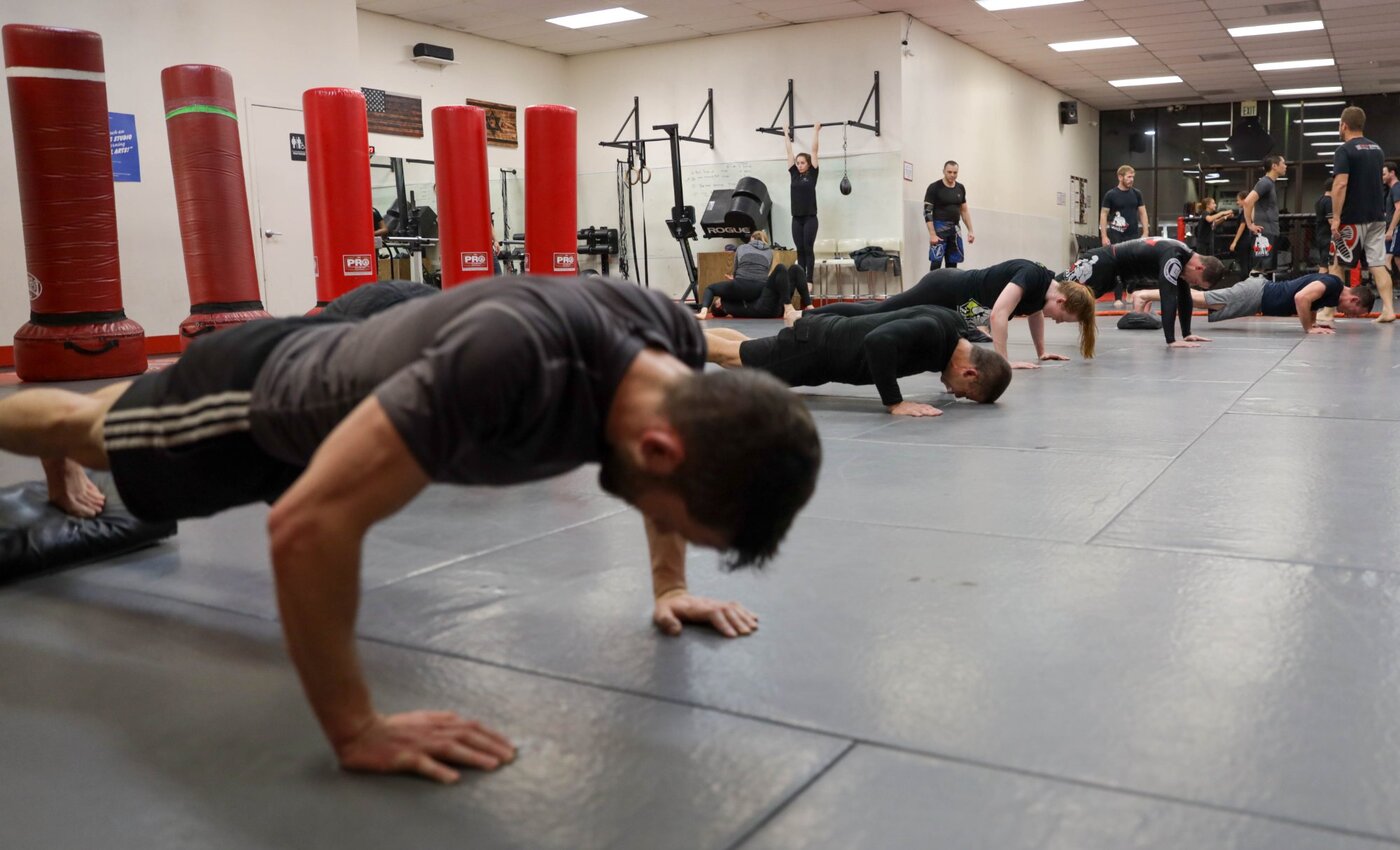
Show up at whatever fitness level you have today. Take breaks when you need them. Nobody will think less of you. Inside three to four weeks of consistent training, you will be in better shape than you’ve been in years — without ever having stepped foot in a regular gym.
2. You don’t need any experience. Most of our students started exactly where you are.
The second-most-common thing I hear from people on the phone before their first class: “Maybe I should watch some YouTube videos first.” No. Don’t.
Krav Maga is built to be learned in person, in the room, with hands-on correction. YouTube will give you bad habits. Coming in cold and learning the right thing the first time will save you months of unlearning.
Roughly half of our adult students walked in with zero martial arts experience. Some had never thrown a punch. They are now blue belts and orange belts and beyond, sparring with confidence and helping newer students. They got there by starting before they were ready.
You will not be the worst person in the room. We’ve trained the worst person in the room — many times. They turned out fine.
3. Wear what you have. Bring water. We’ll lend you the rest.
A lot of the friction around starting comes from the small stuff: what do I wear, what do I bring, do I need shoes, do I need a uniform, do I need gloves.
For your first class, here is the honest answer: athletic clothes you can move in (T-shirt, shorts or sweatpants), a water bottle, and that’s it. We train barefoot on the mat, so leave shoes at the door. We provide all the equipment for your first class — gloves, pads, anything you need.
If you decide to keep training, you’ll eventually want a few things of your own (gloves, a mouthguard, a KravZone shirt). But none of that has to happen on day one. Don’t let “I don’t have the gear” stop you from walking in.
4. Krav Maga isn’t karate. Here’s what you’ll actually do in class.
A lot of people walk in expecting kata, formal bows, belt ceremonies, and “wax on, wax off.” That’s not what we do.
Krav Maga is the system developed for the Israeli military and adopted by police and special forces around the world. It’s built around the kinds of attacks that actually happen — chokes, grabs, weapons, multiple attackers, ground attacks. There are no choreographed forms. Every drill is built from a real-world scenario.
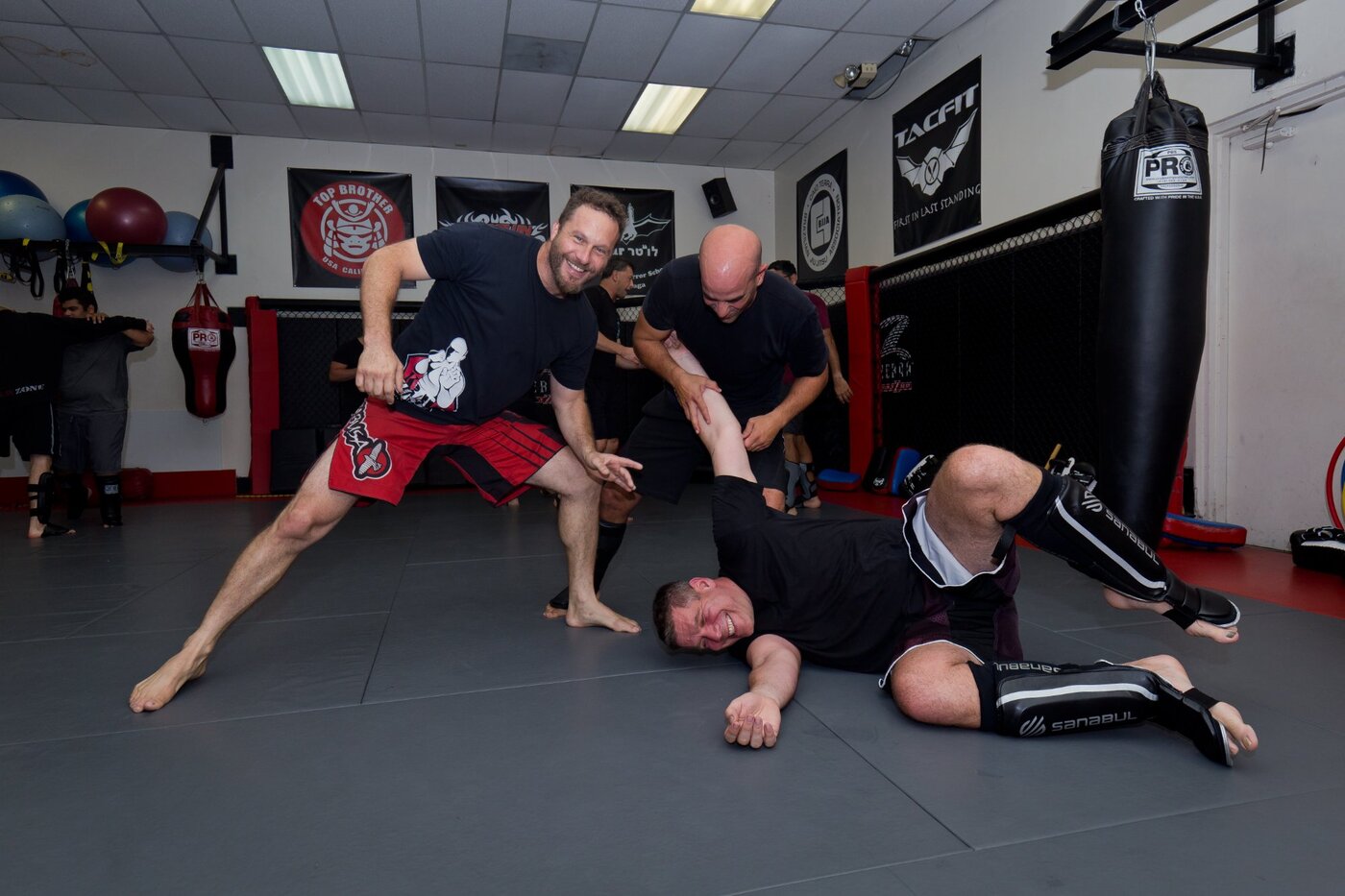
A typical class looks like this: a 10-minute warm-up with conditioning, 30 minutes of technical instruction and partner drilling on a specific defense, 10 minutes of higher-intensity scenario work, and a cool-down. You’ll be tired. You’ll learn one thing well — and you’ll know it works because you’ll have drilled it live with a real person.
If you want to see the curriculum we follow, our Adult Krav Maga program page breaks it down by belt level.
5. Nobody is going to make you spar. Sparring is earned, not assigned.
The most common fear I hear from people scoping out their first class is some version of: “Am I going to get punched in the face?” Or worse: “Will I have to fight someone on day one?”
No. That’s not how this works.
Sparring is reserved for students who have learned the techniques, the etiquette, and the control to do it safely. We don’t ask beginners to spar. We don’t even let beginners spar — for their safety and for the safety of more experienced students. Sparring is something you earn the right to do, usually after several months of consistent training and a rank check.
When sparring happens — at the end of certain classes, in advanced sessions, or in dedicated open mats — it’s controlled, it’s matched (we don’t put a brand new blue belt against a black belt), and it’s done with respect. Bumps and bruises happen sometimes. Broken bones, ego clashes, and “let me show you how tough I am” matches do not. We don’t tolerate that, and the room enforces it as much as the coaches do.
6. There are no egos in our room. That’s not a slogan — it’s a rule.
The hardest thing for a lot of beginners isn’t the physical part — it’s walking into a room full of strangers and feeling like the new person. I get it. Every gym has a culture, and a lot of martial arts gyms have cultures I wouldn’t train in either.
KravZone runs differently. Our adult roster is a real cross-section: software engineers from the local tech companies, parents who started with their kids, women who came in solo, people in their 20s and people in their 60s. About half of our members signed up after watching a friend or family member train here for a while. They came because they trusted the room.
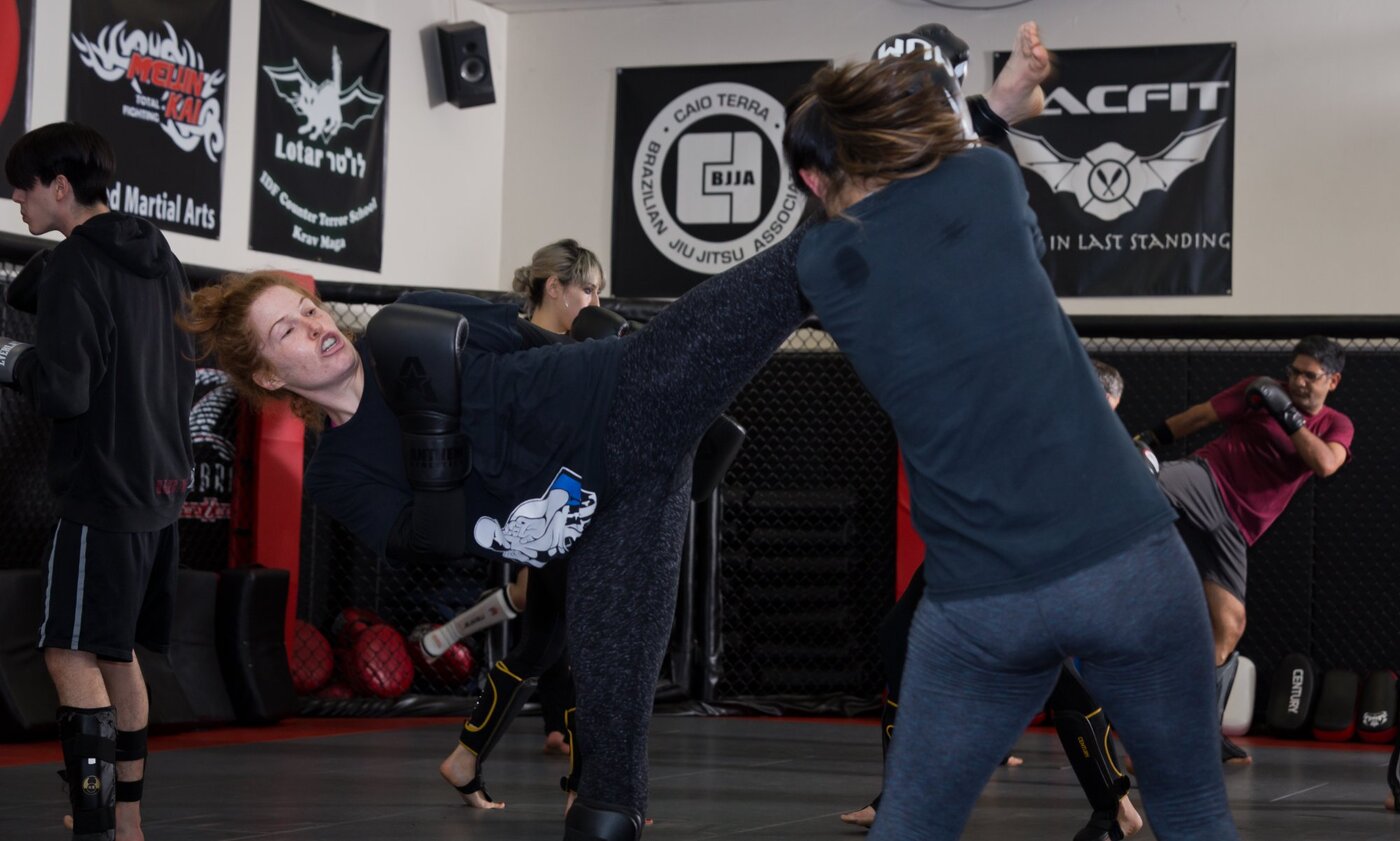
The rule is simple: leave your ego at the door. We don’t have a “tough guy” culture. We don’t have hazing. We don’t have new students getting put through the wringer to “prove themselves.” That stuff makes for a worse gym, worse training, and a worse community. It’s not what we do.
7. The hardest part is getting through the door. After that, we’ve got you.
Here’s what I’ve learned from fourteen years of running this gym: the decision to walk through the door is harder than anything that happens after it. Once you’ve come once, the second class is easier. The fifth class, you’ll know people. By the tenth, you’ll know the room, the warm-up, the basic techniques, and the rhythm. By the twentieth, you’ll wonder why you waited so long to start.
If you’ve been thinking about starting Krav Maga, here is my honest recommendation: stop reading articles. Stop watching YouTube videos. Stop waiting until you’re “in better shape” or “less busy” or “ready.” None of those will happen on their own.
Come try a class. Your first one is on us. No commitment, no pressure, no equipment to buy. Just walk in during a regular class block and we’ll get you set up.
You can book your free tryout class here, or call us at 408-617-9692 and we’ll find a time that works.
I’ll see you on the mat.
— Shlomi
